





 LetsTalk客服号:
 24小时在线客服
亚博APP
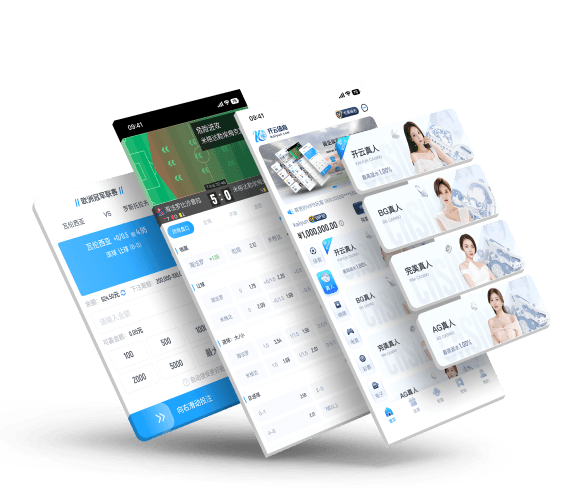
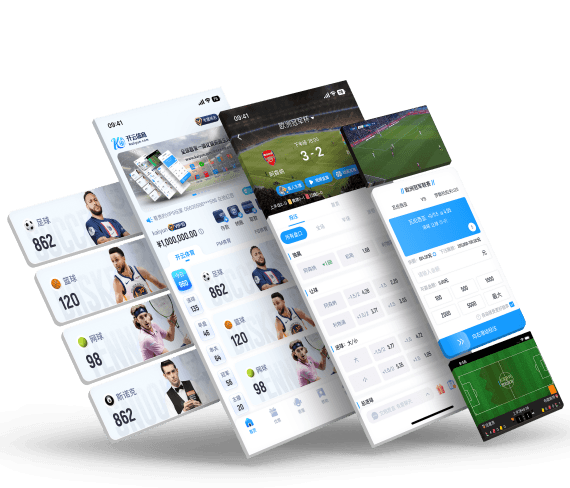
行业顶尖原生APP,支持全部平台


关于亚博体育
带您一起认识我们的亚博
亚博简介
INTRODUCTION
亚博体育(YABO SPORTS),简称“亚博”,是华人市场最大的线上娱乐服务供应商,更是亚洲最大的在线娱乐公司之一。公司成立于2017年,现有1100-1200员工与千万会员。公司业务包含在线娱乐、体育赛事、足球彩票、棋牌游戏、真人娱乐、彩票购彩、电子竞技直播、新型网络直播综艺节目。
亚博体育如今已延伸至体育基金、体育版权、科技研发、信息安全大数据、云安全支付系统等领域;通过多年的世界级赛事实况转播(奥运会、欧洲杯、2022年世界杯)、赛事运营、球队赞助(德甲拜仁、法甲里昂、那不勒斯等)以及整合营销。公司拥有独家研发的安全机制,缜密的管理体系,拥有云加密支付系统、国际标准256位加密技术(信息安全管理体系国际标准:ISO/IEC27001:2013证书)。
亚博体育正在与业内知名的博彩产品供应商,例如BOB体育、欧宝体育、OB体育、泛亚电竞、PG电子、PP电子、MG电子、Playtech、IM电子、Entwinetech、LBKeno、AsiaGaming GoldDeluxe、高登棋牌、天美棋牌、双赢棋牌等建立战略合作关系。

-
 亚博简介
亚博简介
-
 优良服务
优良服务
-
 策略目标
策略目标
亚博热门游戏
你想要的亚博都有,带给您丰富的娱乐体验
-
亚博体育
-
亚博真人
-
亚博棋牌
-
亚博电竞
-
亚博彩票
-
亚博电游

亚博体育
SPORTS
亚博体育提供行业领先的体育场馆,给玩家呈现最高赔率,最流畅的投注体验。体育竞猜,无视频不精彩,亚博体育提供全网覆盖面最全最高清的赛事视频,客户引流,客户留存,无所不能。
最多投注类型,最强投注体验,支持提前兑现,收米也要快人一步,想你所想,投你所爱。
业内最高赔率,覆盖世界各地赛事,让球、大小、半全场、波胆、单双、总入球、连串过关等多元竞猜。更有动画直播、视频直播,让您轻松体验聊球投注,乐在其中。

亚博真人
CASINO
亚博真人视讯为亚博集团官方直营,最美荷官在线互动,带您玩转百家乐、骰宝、轮盘、牛牛、炸金花等多款真人视讯游戏,国际标准、公平公正,极致享受尽在亚博真人,互动娱乐在线直播平台,让玩家游戏的同时,观赏美女主播表演、参与互动游戏。设有多个真人荷官桌台,包括:百家乐、竞咪、龙虎、骰宝、轮盘等多款游戏。
亚博体育提供业内最好的真人场馆游戏,画面精致、输赢公平,我们用信任,帮您赢得市场;用口碑,赢得用户信赖。
亚博棋牌
BOARD GAMES
亚博集团官方直营,欧洲最高级别安全认证,热门棋牌品类丰富,聆听悦耳音乐,感受非同凡响极致体验,让游戏改变生活,尽在亚博棋牌。
提供市面上热门游戏种类,选择全面多元,应有尽有玩家能不断游戏不感无趣!抢庄牛牛、龙虎斗,多款棋牌任君选,好友相约竞技,游戏改变生活。精致画质、流畅体验,帮您树立良好口碑,缔造精品平台。

亚博电竞
ESPORTS
创新电竞竞猜模式,时时滚球,独创自由串关。注单秒确认,热门赛事秒结算,独家滚球助您嗨翻全场。绝妙畅爽体验,一切竞有可能!提供所有大型赛事,每月玩家可期待超过百场比赛及上万盘口!拥有令人惊叹的视觉界面及高效的用户体验,所以能让您轻松上手,一目了然,轻松投注。
亚博电竞,行业最顶尖电竞赛事平台合作商,提供最新、最热门的电竞赛事竞猜,更有最热门电竞视频及最新电竞资讯等服务,帮您塑造品牌、提升热度。
亚博彩票
LOTTERY
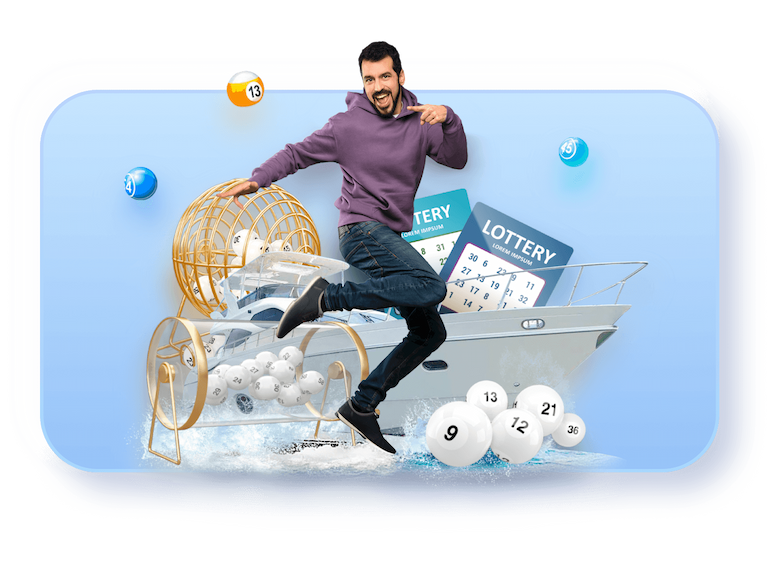
亚博彩票为您提供最便捷丰富的彩票新玩法,精彩绝伦的交互体验,连线开彩最即时,业界彩种最丰富,开启彩票新纪元,尽在亚博体育官方直营“亚博彩票”。
超过百种彩票玩法任您赢!亚博体育为全球各彩票玩家提供了丰富多样的游戏内容,致力为玩家打造高品质的娱乐环境,安心乐享游戏空间,只为公平、公正的开奖结果。
最全面的彩种,最稳定的奖源,最丰富的玩法,最稳最快的开奖结果,是您拉新引流的最佳方式。我们还提供自研彩票,使您平台更彰显实力。

亚博电游
SLOTS GAME
AG捕鱼、PG电子等一直是行业火热的游戏供应商,亚博体育携手多家厂商强强联手,将帮您最快速缔造自己的电子游艺平台,上百款游戏任由用户选择。
亚博体育提供各类经典老虎机游戏、刮刮乐、棋牌、街机等游戏,更多免费游戏,爆分大奖等你来。
亚博体育常见问题
罗列使用亚博app经常遇到的问题供您参考

我身处海外,打开网页或全站APP出现“访问限制”字样,如何使用亚博体育产品?
我用苹果手机,点击下载的亚博体育App会跳提示框,说需要信任,我该怎么操作?
我看到很多亚博体育的优惠活动,很吸引我,要怎么参加呢?
我想在亚博体育参与一些球赛、电子竞技的竞猜活动,哪款产品更适合我?
我是香港人,近期不能出访澳门,如何使用亚博体育产品?
亚博体育动态
与您分享亚博的世界,热爱亚博
亚博APP更新
new version update
-
亚博体育APP 4.0.0

2023年04月26日
1.针对亚博用户反馈,优化app性能和体验。
2.优化开发体育客服线路
3.新加入语音客服线路
-
亚博体育APP 3.0.0
2023年04月17日
1.增加亚博体育“发现”模块,亚博新闻、亚博推单、亚博比分功能
2.增加更多亚博聊天室特效
3.亚博体育性能优化
-
亚博体育APP 2.0.0
2023年02月26日
亚博体育新增IM体育OB体育FD体育PM体育场馆
1.体育投注选择更多,亚博体育支持提前下车
2.优化启动时间,使用亚博更加流畅
3.全新APP皮肤和用户体验更加惊艳
-
亚博体育APP 1.0.0
2023年02月24日
亚博体育APP。每日接近千场竞技比赛,玩法多,极致的体验。
1.接近百种游戏,全面覆盖体育、电竞、棋牌、电子、百家乐等热门场馆
2.美女主播加盟,让你在娱乐的同时可以通过聊天室于主播互动
3.数十种支付渠道,瞬间到账。
4.极致的体验,让你更加享受竞技比赛的美。
亚博近期通知
important notice
-
26
/04亚博体育通过BS7799-2/ISO27001国际安全认证
亚博体育充分理解网络安全的重要性,同时亚博也理解客户对此的担忧与高度关注。随着电信网络和信息技术的不断演进与发展,网络安全面临的威胁和挑战将日益严重。我们也心存忧患。亚博体育对此高度重视,亚博致力于采取切实有效的措施提升产品和服务的安全性,从而帮助客户规避和减少安全方面的风险,以赢得各利益相关者的信赖。
-
17
/04亚博体育携手12大超级俱乐部,开创亚博新纪元
随着世界杯结束,亚博集团开启全球发展战略,月皇家马德里足球俱乐部等12家俱乐部签订了战略合作协议,此举对亚博体育深化全球布局,全面优化体育直播、体育投注、电竞、棋牌、彩票等服务,努力打造全球卓越在线娱乐品牌!
-
26
/02亚博体育-马德里竞技签署全球战略合作协议
近日亚博体育(Kaiyun Sports)与马德里竞技(CADM)签约升级为全天候官方合作伙伴。马德里竞技全球运营亮剑,再添新动作。全球最大综合娱乐平台亚博集团与马德里竞技足球俱乐部达成赞助协议。亚博体育正式成为曼联全球官方合作伙伴。
-
26
/02亚博体育携手中国女足备战2023女足世界杯
2023年女足世界杯开幕式将定在新西兰举行,整个比赛过程将在两国9个城市举行,其中新西兰有四个城市,澳大利亚有五个城市。中国女足参加了7届,其中6次杀入八强,2019年女足世界杯,中国女足在八分之一决赛中0比2输给了意大利队。遇强则强,敢做自己。为梦而战,未来可期。我们期待在明年的世界杯赛场上,“铿锵玫瑰”再度精彩绽放。届时亚博体育将会全程直播相关赛事,请下载亚博APP详细了解相关动态。
亚博体育资讯
亚博品牌历史和经营策略,带你走进 亚博体育
-
2024年05月10日
亚博体育:百家乐游戏下载怎么选择网站平台?
亚博体育玩家之所以愿意玩百家乐,其实看中的就是它是棋牌类游戏当
阅读更多
-
2024年05月08日
亚博体育运彩赛事投注串关必学攻略:获利秘诀在此
亚博体育体彩串关是什么?串关也叫过关,选择1场比赛进行投注叫单注,
阅读更多
-
2024年05月06日
亚博体育棋牌游戏市场分析:移动端玩家用户占据90%以上
据亚博体育调研发现,棋牌游戏玩家越来越喜欢在APP上玩游戏,原因主
阅读更多
-
2024年05月03日
亚博体育:如何挑选适合的线上娱乐城来玩呢?
百家乐线上娱乐城有哪些游戏可以玩?是否安全?要注意些什么呢?今天要
阅读更多
-
2024年05月01日
亚博体育:什么是百家乐游戏看路法?
相信已经接触亚博体育百家乐一段时间的玩家,应该都知道百家乐看路
阅读更多
-
2024年04月29日
亚博体育以百家乐游戏为主,游戏多元不无聊
亚博体育真人百家乐游戏玩法、种类多元,除了传统百家乐,还有特殊百
阅读更多
-
2024年04月26日
亚博体育币商博弈平台评测项目,从这些方面了解
亚博体育调研发现,目前亚洲游戏市场除了传统的线上游戏平台,还出现
阅读更多
-
2024年04月24日
亚博体育8大篮球运彩玩法一次看
亚博体育NBA篮球运彩怎么玩?这么多场赛事除了在玩运彩上面点点预
阅读更多
-
2024年04月22日
亚博体育特色百家乐有哪些?五大类型都玩玩
亚博体育经典百家乐是大家都非常熟悉的,百家乐会使用8副牌共416张
阅读更多